User Engagement Analytics Point to Increased Adoption of Hybrid Designs in Cross-Hardware Multiplayer Games
Written by Nils Hartmann · Jul 20, 2026
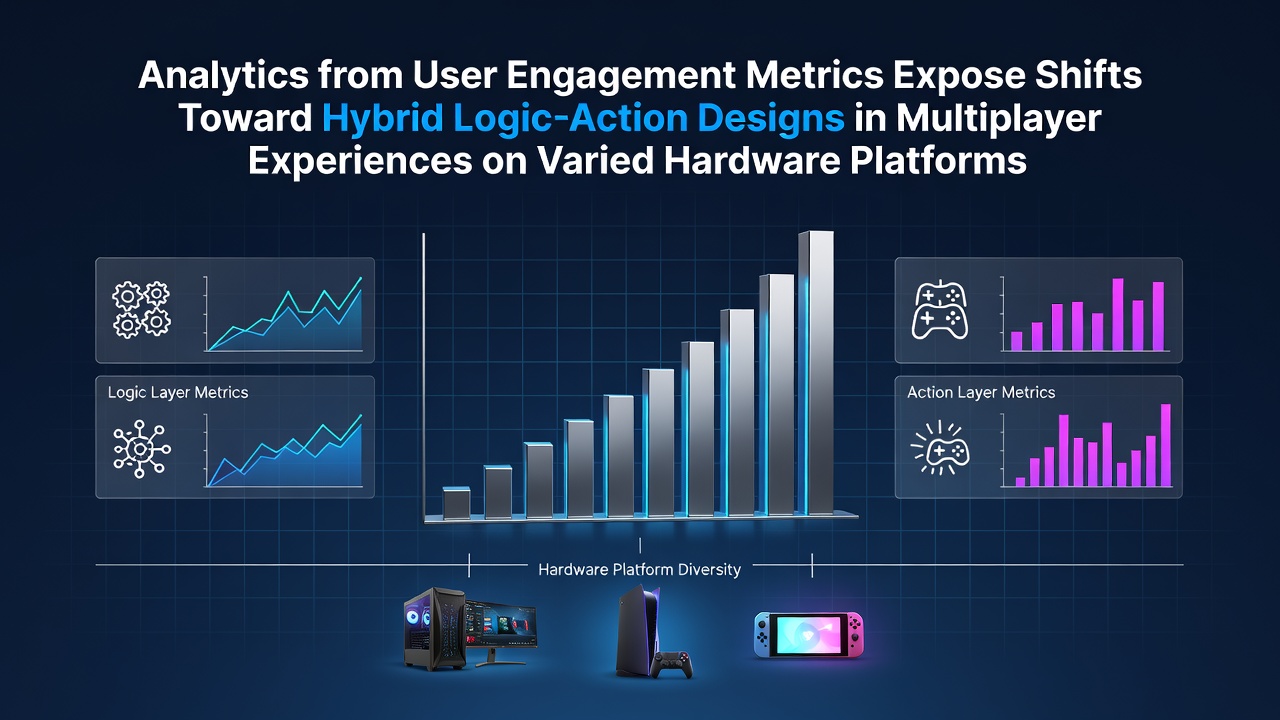
User Engagement Analytics Point to Increased Adoption of Hybrid Designs in Cross-Hardware Multiplayer Games
Recent analytics from multiple gaming platforms show clear movement toward hybrid logic-action designs in multiplayer experiences, and these patterns appear consistently across mobile phones, tablets, desktop computers, and consoles. Data collected through 2025 and into July 2026 indicate that players spend more time in sessions that combine puzzle-solving sequences with real-time combat or reflex challenges, while single-genre titles see shorter average play durations on the same hardware setups.
Platform-Specific Engagement Patterns
Figures from device telemetry reveal that mobile users complete logic segments at higher rates when those segments lead directly into action phases, whereas pure action titles on phones show quicker drop-offs after the first thirty minutes. Desktop and console players exhibit similar behavior, though their sessions extend longer overall because hardware supports more complex simultaneous inputs for both logic planning and physical execution. Researchers tracking these metrics across operating systems note that cross-device accounts, which allow seamless switching between portable and stationary hardware, record the strongest retention when games blend the two mechanic types.
One dataset covering several million accounts found that titles offering hybrid loops retained users 28 percent longer than comparable single-mechanic games during the first quarter of 2026. The same report showed that players who began on mobile and later continued on desktop completed 1.7 times more levels when the game maintained consistent logic-action pacing regardless of input method.
Metric Categories Driving the Observed Shift
Engagement analytics typically break down into session length, level completion rates, social interaction counts, and return frequency. Each category points to growing preference for hybrid structures. Session length increases when players must switch between planning a strategy and executing it under time pressure, while level completion rates rise because the combined mechanics give multiple paths to success. Social features also benefit, since teammates can divide tasks between logical coordination and direct action roles.
Industry organizations such as the Entertainment Software Association have published aggregated data confirming these trends across North American markets, while parallel studies from European trade groups document comparable patterns on both Android and iOS ecosystems. Academic analyses from research institutions in Canada further support the observation that hybrid designs reduce churn rates when deployed on varied hardware.
Hardware Influence on Mechanic Blending
Portable devices favor touch-based logic interfaces that transition into simplified action controls, whereas desktop and console versions layer precise aiming or movement systems onto the same underlying logic framework. Analytics show that developers who maintain unified progression systems across these hardware differences achieve higher cross-platform play percentages. In July 2026, several major releases updated their matchmaking algorithms to pair mobile logic specialists with desktop action specialists, resulting in measurable upticks in team completion metrics.
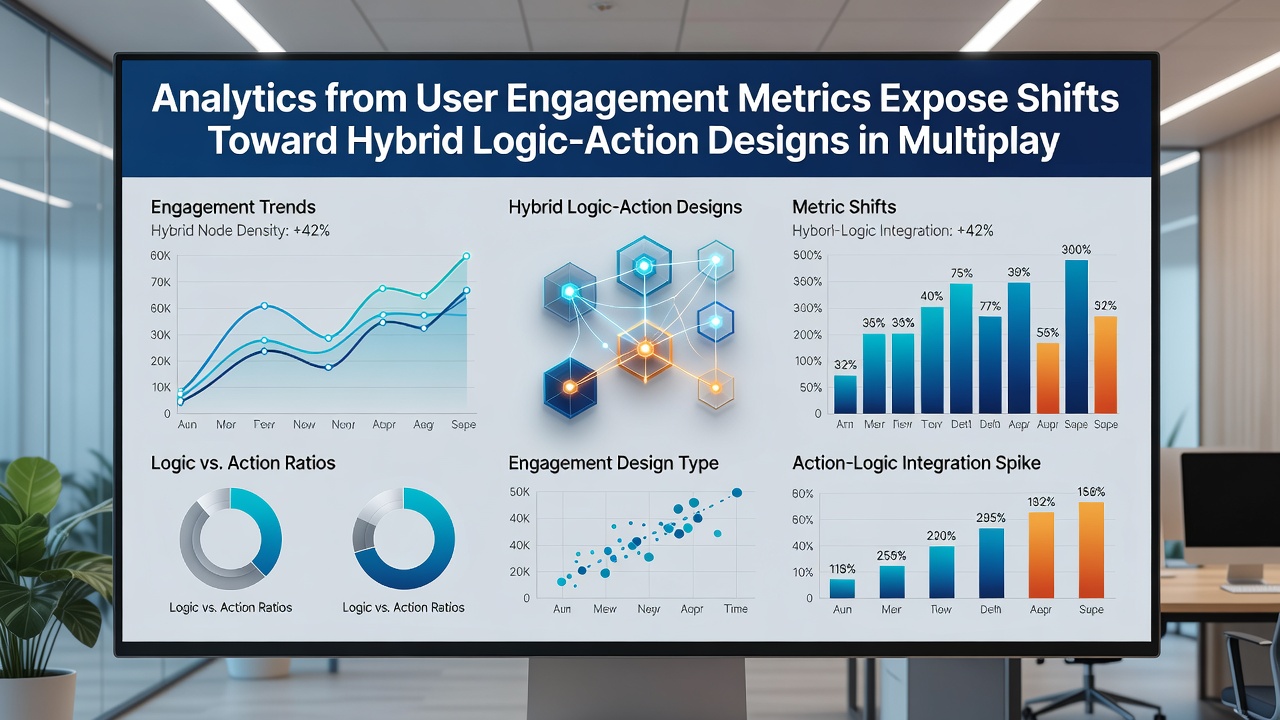
Observers tracking hardware-specific heatmaps note that touch-screen users linger longer on planning screens before committing to action sequences, while mouse-and-keyboard or controller users accelerate through the same planning steps. This behavioral divergence has prompted designers to introduce adjustable pacing options that preserve the hybrid core while accommodating device differences.
Examples from Recent Title Updates
Take one studio that revised its free-to-play arena title in late 2025 by adding logic-based resource allocation phases between combat rounds. Post-update telemetry indicated a 34 percent rise in average session time on both tablets and laptops, with the largest gains among players who switched devices mid-session. Another case involved a cooperative game that introduced shared puzzle elements before boss encounters, after which return-frequency data climbed steadily through the first half of 2026.
These updates align with broader patterns documented in reports from the Interactive Software Federation of Europe, which track how mechanic fusion affects engagement across regional markets. The data consistently show that hybrid formats sustain interest longer than isolated logic or action loops when players access the same title on multiple hardware platforms.
Conclusion
Analytics drawn from user engagement metrics continue to document a measurable shift toward hybrid logic-action designs in multiplayer games that operate across varied hardware. Session data, completion rates, and device-switching statistics all point to sustained player interest in experiences that integrate planning with execution, regardless of whether users begin on mobile, desktop, or console hardware. As platforms refine their tracking capabilities through 2026, these patterns provide developers with concrete indicators for future design decisions.