Unified Player Paths Reshaping Strategy and Pace in Cross-Device Game Releases
Written by Jordan Lang · Jul 16, 2026
Unified Player Paths Reshaping Strategy and Pace in Cross-Device Game Releases
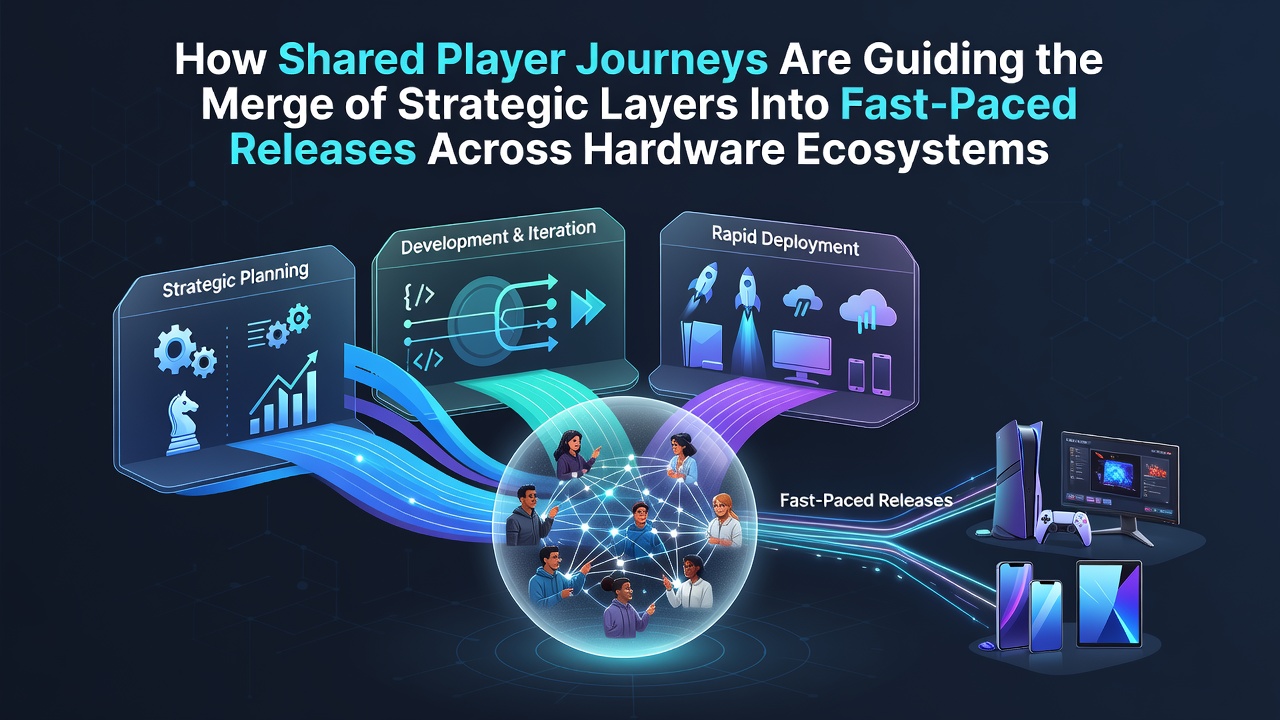
Shared player journeys have started to influence how developers blend strategic depth with rapid gameplay loops in titles that span mobile, desktop, and console hardware. Data from mid-2026 shows that progression systems allowing seamless account syncing across platforms now guide the integration of planning elements into action-heavy sequences, creating experiences where long-term decisions feed directly into immediate tactical responses. Researchers tracking download patterns note that titles employing unified player accounts experienced higher retention rates during July 2026 compared to earlier periods, because users carried strategic choices made on one device into fast sessions on another.
Progression Systems and Cross-Hardware Continuity
Developers have adopted shared journey frameworks that record player decisions, resource allocations, and skill trees in central databases accessible from any supported device. This approach lets strategic layers developed during extended desktop sessions transfer into quick mobile matches without requiring separate builds or resets. Figures from industry tracking services indicate that cross-device titles using these systems released updates more frequently in 2026, with many incorporating feedback from aggregated user paths to adjust balance between planning phases and execution speed. Observers note that such continuity reduces fragmentation, allowing teams to release hybrid mechanics that feel consistent whether players engage for ten minutes or two hours.
Strategic Layer Fusion in Fast-Paced Formats
Game mechanics once confined to turn-based strategy titles now appear inside real-time action frameworks because shared journeys provide the data backbone needed for persistent effects. A player might allocate units or research upgrades on a PC during an evening session, then activate those choices in short arena battles on mobile the next day. Reports compiled by the Entertainment Software Association reveal that this pattern accelerated in releases throughout 2026, as studios used journey telemetry to identify which strategic elements translated best into high-tempo gameplay. The result appears in arena-style titles where resource management overlays appear briefly between combat rounds, giving depth without slowing core loops.
What's interesting is how hardware differences shape these fusions. Mobile interfaces favor simplified strategic overlays that activate with single taps, while desktop versions expand the same systems with mouse-driven detail views. Yet the underlying data remains identical because of unified accounts, so players experience the same long-term consequences regardless of device. Studies from university research groups in Canada have documented this effect in several free-to-play titles, showing that synchronized progress correlates with increased session frequency across both portable and stationary platforms.
Release Patterns and Ecosystem Adaptations
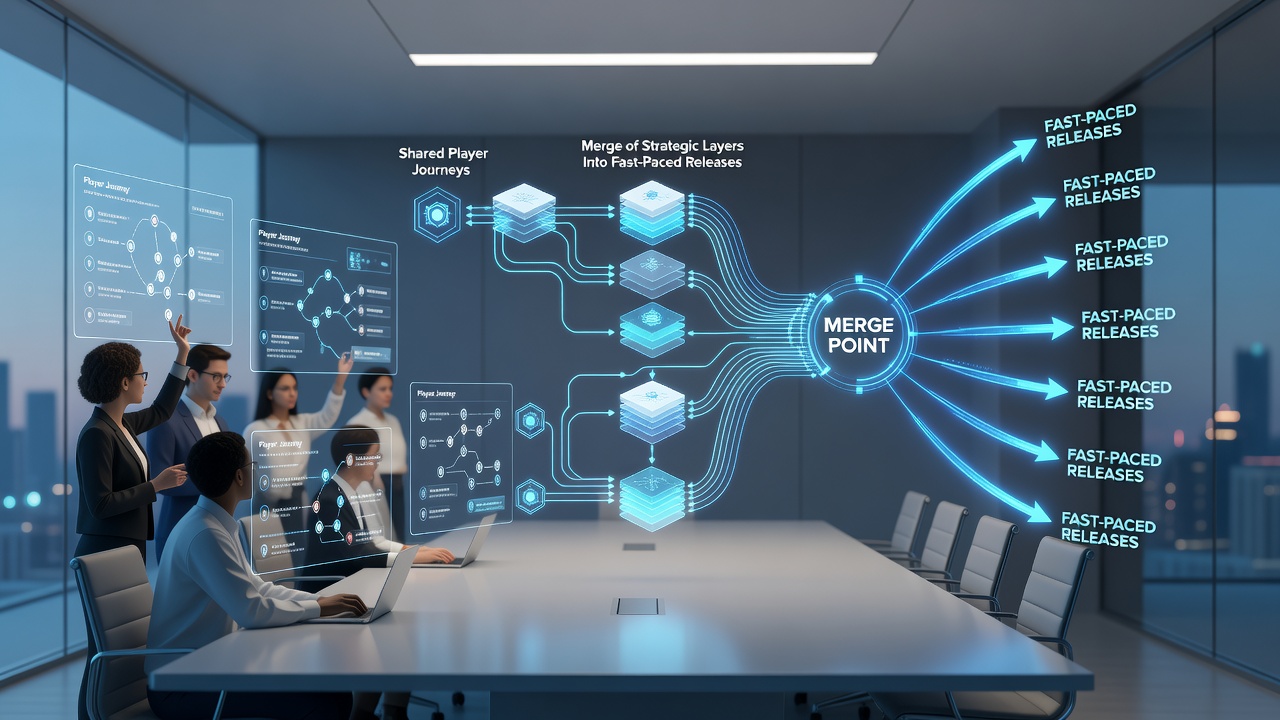
Fast-paced releases now follow shorter development cycles when shared journey data informs design choices early. Teams analyze movement between devices to decide which strategic components deserve emphasis in upcoming patches, then deploy those changes simultaneously across ecosystems. This method appeared prominently in July 2026 updates, where several hybrid titles introduced new layers of decision-making that carried over from previous player paths. Industry organizations such as the Interactive Software Federation of Europe have recorded how these synchronized updates maintain engagement by letting players resume complex strategies without relearning controls on each platform.
Device switching trends further illustrate the shift. Data collected during summer 2026 demonstrates that users who alternate between hardware types complete strategic objectives at higher rates when progress remains continuous. Developers respond by embedding quick-reference tools that pull from the shared journey, presenting condensed strategy summaries during rapid gameplay bursts. The outcome merges planning depth with immediate action, producing releases that adapt pacing based on detected hardware and session length.
Conclusion
Shared player journeys continue to steer the combination of strategic elements with accelerated gameplay across varied hardware setups. Metrics gathered through 2026 confirm that unified progression enables developers to release hybrid titles more efficiently while preserving continuity for users. As ecosystems evolve, these frameworks provide the structure needed to keep strategic layers relevant inside fast-paced environments without sacrificing accessibility on any device.