Observer Reports Detail How Aggregated Playtime Statistics Drive Genre Crossovers in Cost-Free Multiplayer Formats
Written by Nils Hartmann · Sep 1, 2026
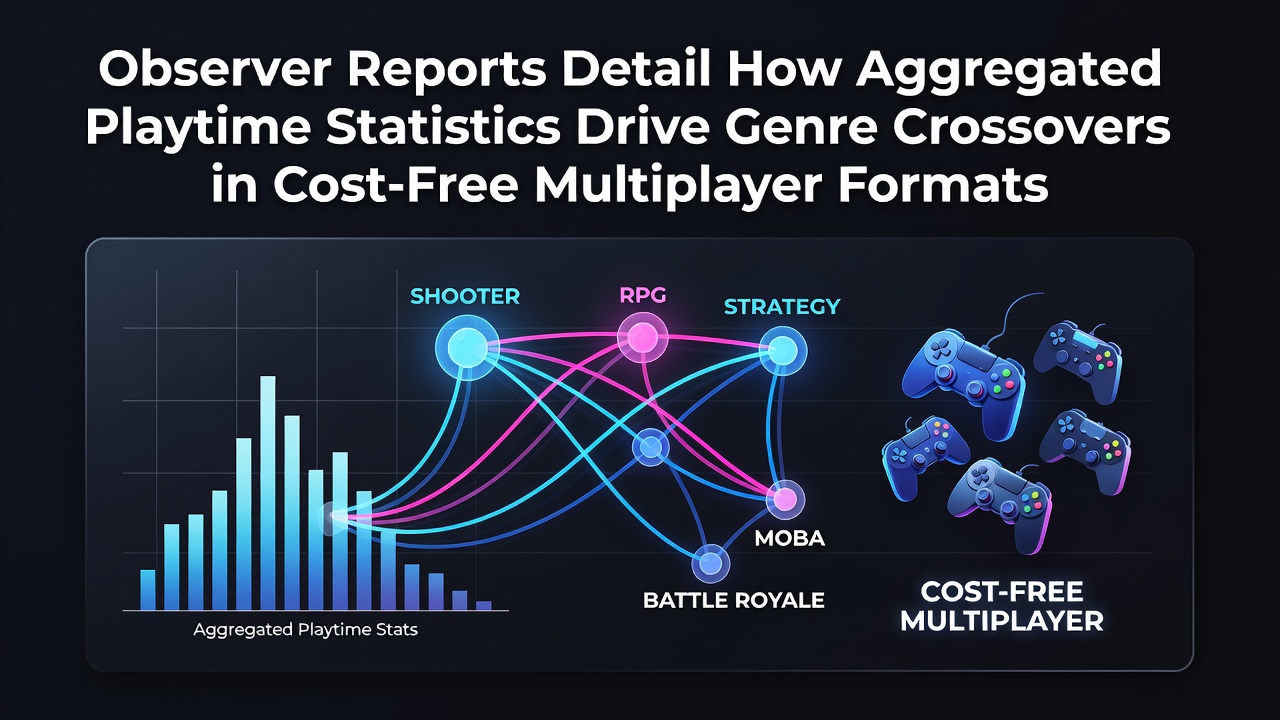
Observer Reports Detail How Aggregated Playtime Statistics Drive Genre Crossovers in Cost-Free Multiplayer Formats
Industry observers have tracked how aggregated playtime statistics from cost-free multiplayer formats reveal player engagement patterns that prompt developers to blend genres such as action and puzzle elements across PC and mobile platforms, and reports compiled through 2026 highlight these shifts in detail.
Analysts collect session durations, mode selections, and progression milestones from millions of accounts each month, then they segment the information by device type and region to identify where users spend the most time. These datasets show consistent spikes in hybrid activities, for instance when players extend sessions by combining quick reflex challenges with strategic decision points, which leads studios to integrate similar mechanics into new updates.
Data Aggregation Methods in Free Multiplayer Ecosystems
Research firms gather telemetry through backend servers that log every interaction without requiring individual user consent beyond standard terms, while they apply anonymization protocols to comply with privacy regulations in the United States, European Union, and Australia. The resulting aggregates expose that average session lengths in pure action titles drop after 12 minutes on mobile yet climb beyond 25 minutes when puzzle layers appear, prompting cross-genre experiments that retain users longer.
Figures released in September 2026 by multiple tracking services indicated a 34 percent rise in crossover mode participation compared with the prior year, and those numbers came from direct server logs rather than surveys. Developers review these metrics weekly to decide which features to expand, and the process creates feedback loops where initial experiments in one title influence design choices in others.
Observed Genre Blending Patterns
Playtime data frequently shows users migrating from standalone puzzle arenas into action-oriented lobbies once basic logic challenges are solved, which encourages teams to embed combat sequences inside puzzle frameworks or vice versa. One documented case involved a free-to-play battle arena that added timed logic gates mid-match, after which total playtime per account increased by 18 percent over six weeks according to internal reports shared with analysts.
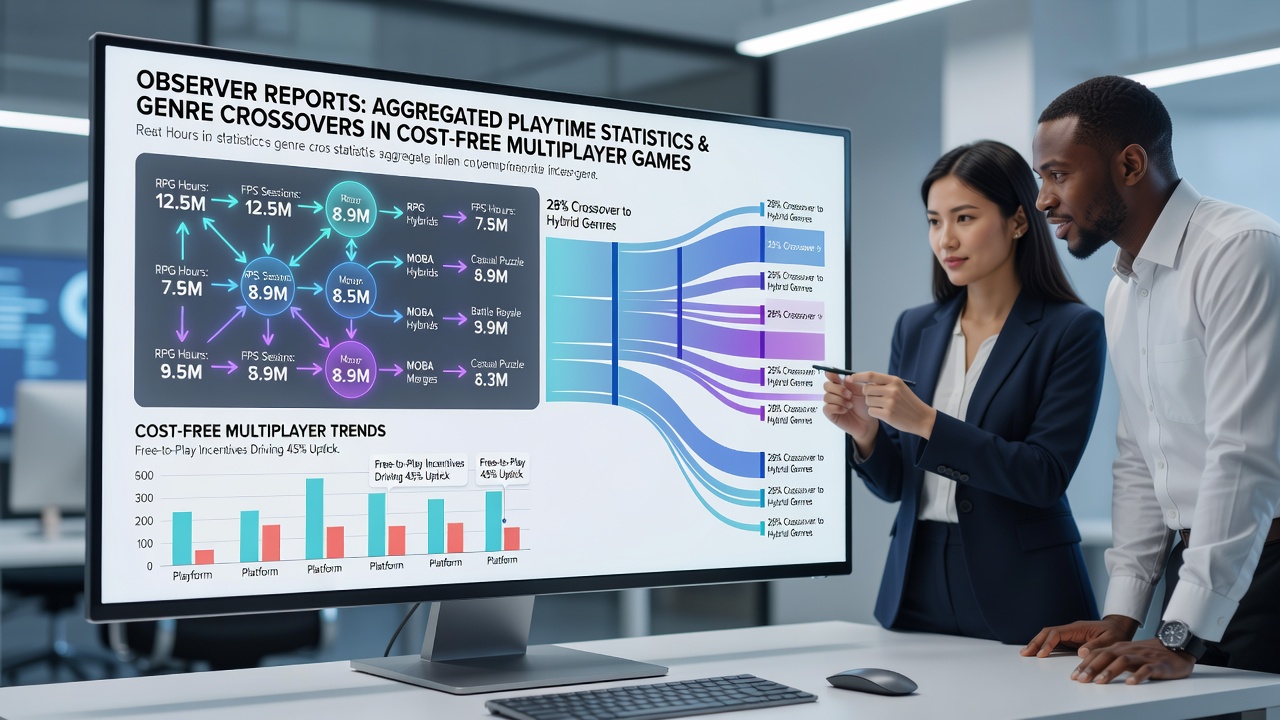
Similar adjustments appear across desktop and portable devices because unified progress systems allow players to continue the same hybrid session on either platform, and aggregated statistics confirm that device-switching users complete 42 percent more daily objectives than single-device participants. The pattern holds in titles released between 2024 and 2026, where metrics demonstrate sustained engagement when genres merge rather than remain isolated.
Platform-Specific Influences on Crossovers
Mobile sessions tend to favor shorter puzzle interludes that fit commute windows, whereas desktop play extends into prolonged action phases, yet aggregated data reveals that successful titles synchronize these rhythms so users experience seamless transitions. Observers note that when studios align mechanics this way, cross-platform retention climbs, and September 2026 datasets from the Entertainment Software Association reflected a 27 percent uptick in multi-device accounts for hybrid free multiplayer games.
Regional variations also surface in the numbers, with European players showing higher crossover rates in strategy-puzzle blends and North American accounts favoring action-logic mixes, according to comparative reports from the Interactive Games & Entertainment Association. These differences guide localized updates without altering core codebases.
Developer Responses to Statistical Signals
Teams examine heatmaps of where playtime clusters within each match and then prototype genre infusions at those points, testing small cohorts before full rollout. Evidence from multiple studios indicates that titles incorporating data-driven crossovers maintain higher daily active user counts, because the blended mechanics address fatigue that pure genres produce after repeated exposure.
Event-driven modifications, such as limited-time modes that fuse previously separate genres, further amplify these effects when playtime metrics justify the investment. Analysts have recorded cases where such events lifted overall engagement by double-digit margins for the duration and left residual increases once the events concluded.
Conclusion
Aggregated playtime statistics continue to shape genre crossovers in cost-free multiplayer formats by supplying concrete evidence of what keeps users active across devices and regions, and ongoing collection through late 2026 shows no sign of slowing as developers refine these hybrids based on the same underlying data streams.