Feedback Loops in Free Gaming: How Critiques Reshape Multiplayer Puzzle and Action Experiences Across Platforms
Written by Willa Ludwig · May 18, 2026
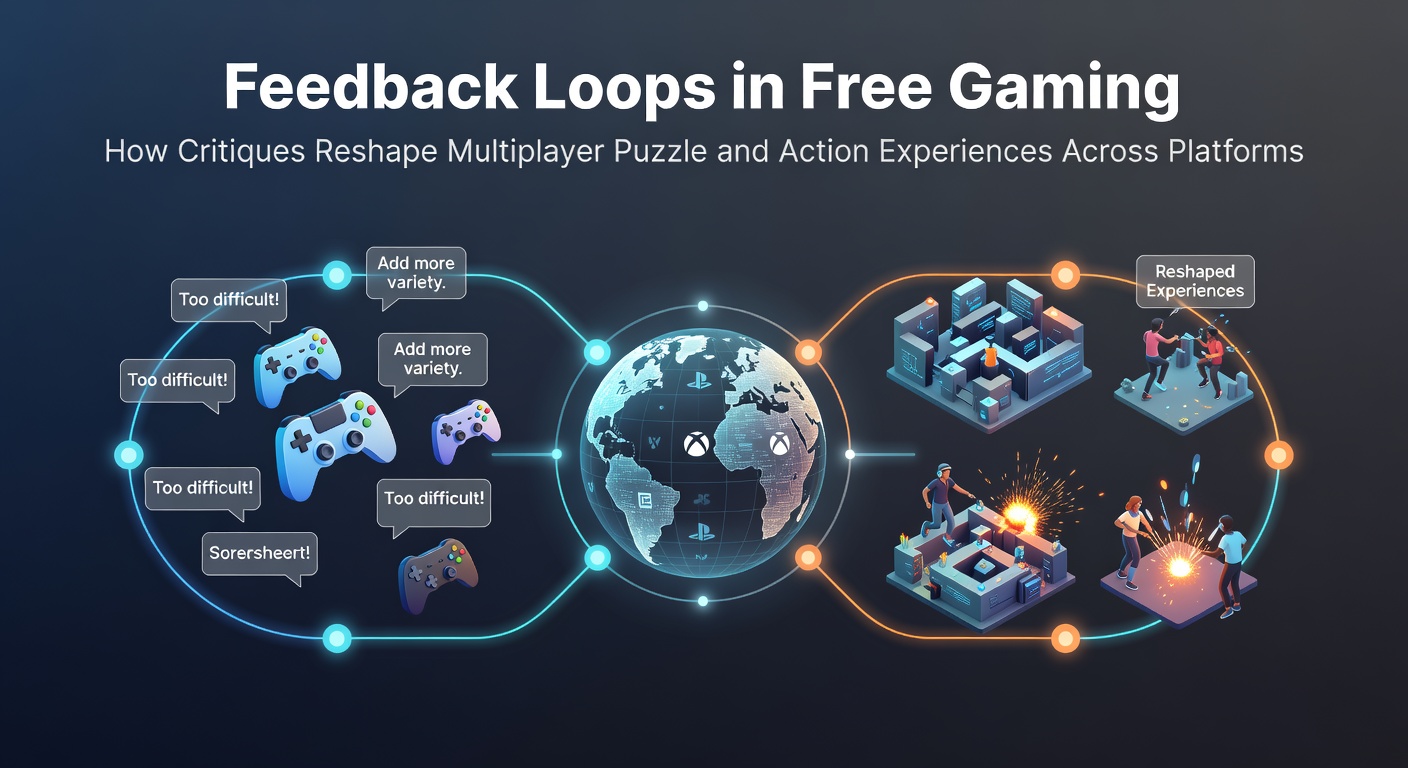
Feedback Loops in Free Gaming: How Critiques Reshape Multiplayer Puzzle and Action Experiences Across Platforms
Free-to-play multiplayer games have developed intricate feedback systems where player critiques directly influence design updates, and these mechanisms operate across mobile, PC, and console platforms in coordinated ways. Developers track community discussions on forums, review sites, and in-game reporting tools to identify balance issues or engagement drops, then implement patches that alter puzzle mechanics or action sequences based on aggregated data patterns.
Research from industry analysts shows that such loops accelerate when games support cross-device play, because complaints about input differences or progression pacing surface more quickly among diverse user bases. In May 2026, several major titles released synchronized updates addressing mobile swipe precision versus keyboard accuracy after widespread forum threads highlighted these disparities, and similar adjustments followed in action-oriented modes where movement speed and ability cooldowns required recalibration.
Mechanics of Player-Driven Iteration
Critiques enter the system through structured channels such as post-match surveys, rating systems, and social media tags that developers monitor with analytics dashboards. Once patterns emerge, teams prioritize changes ranging from minor stat tweaks to larger redesigns of level layouts or competitive rulesets, and these modifications then generate new rounds of player responses that restart the cycle. Observers note that puzzle-focused experiences tend to receive feedback centered on solution fairness and hint systems, whereas action modes draw comments about hit detection, ability synergy, and match length.
Data collected by the Entertainment Software Association indicates that free games incorporating rapid iteration cycles retain active player counts longer than those with slower response times, and this retention advantage appears across both casual and competitive segments. The process relies on quantitative metrics like completion rates alongside qualitative input from player communities, creating a combined signal that guides development priorities.
Cross-Platform Variations in Feedback Application
Platform differences shape how critiques translate into changes because mobile players often emphasize touch responsiveness and session length, while desktop users focus on visual clarity and control precision. When a puzzle game receives simultaneous reports from both groups, developers must reconcile these perspectives into unified patches that maintain competitive parity. Action titles encounter parallel challenges when movement feels inconsistent between touch and mouse inputs, prompting targeted adjustments that affect matchmaking pools spanning multiple devices.
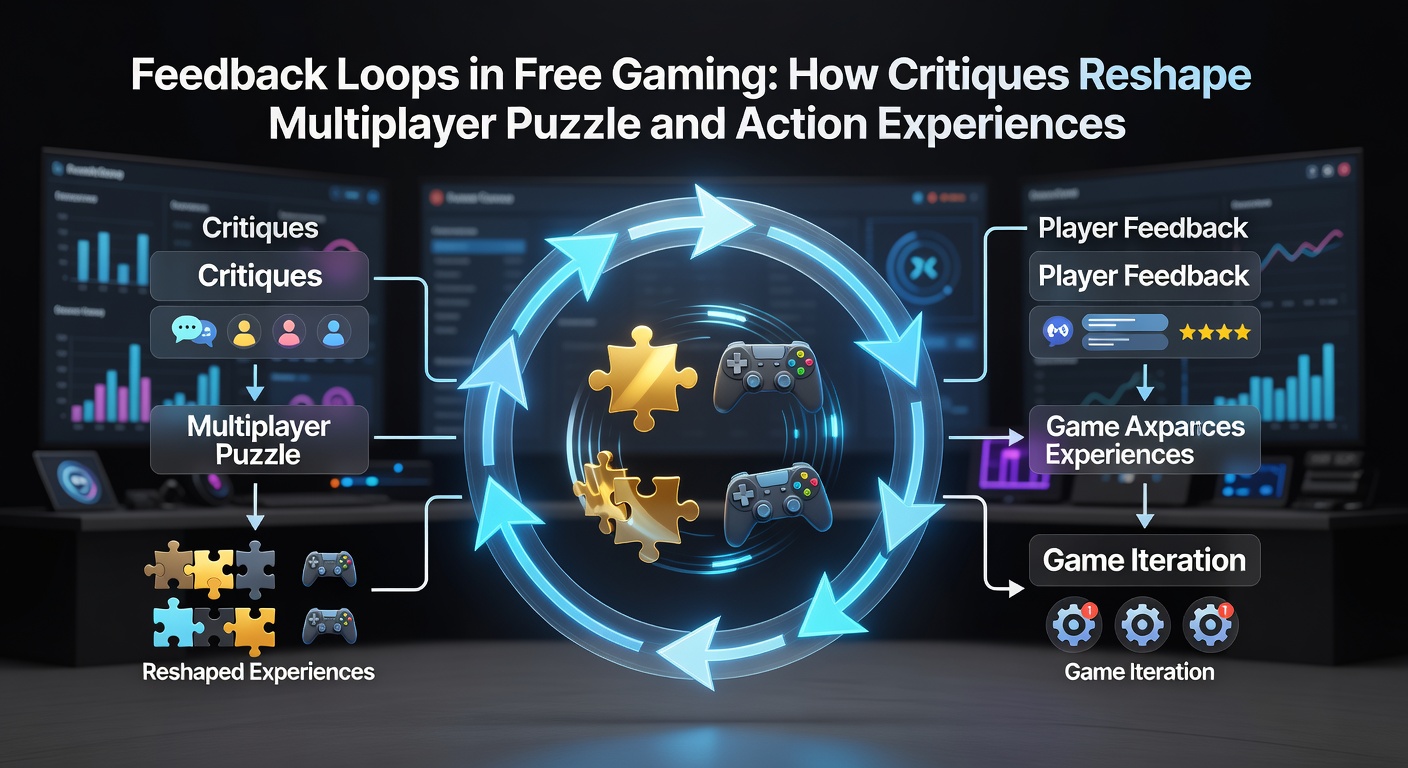
One documented case involved a popular free multiplayer title that adjusted enemy spawn rates in action arenas after mobile users reported higher difficulty spikes compared with PC sessions, and subsequent patches introduced adaptive scaling that responded to device type without fragmenting the shared player pool. Similar refinements have appeared in puzzle modes where cooperative timers were lengthened or shortened based on aggregated completion statistics from different hardware configurations.
Impact on Game Evolution and Community Dynamics
Over successive update cycles, these feedback mechanisms contribute to noticeable shifts in genre conventions, such as streamlined onboarding sequences in puzzle games or refined ability balancing in action experiences. Australian research groups tracking digital entertainment trends have documented how sustained community input correlates with increased feature adoption rates, particularly when updates address accessibility concerns raised by players using varied control schemes. The resulting games often exhibit hybrid design elements that blend mobile-friendly simplicity with desktop-level strategic depth.
Industry reports further reveal that titles maintaining transparent communication about upcoming changes experience higher engagement with feedback tools themselves, and this self-reinforcing pattern strengthens the overall loop. In practice, developers publish patch notes that reference specific community suggestions, which in turn encourages continued participation and provides clearer signals for future iterations.
Conclusion
Feedback loops in free multiplayer gaming continue to evolve as platforms converge and player bases diversify, with critiques serving as primary drivers for adjustments in both puzzle and action categories. The integration of cross-device data ensures that changes reflect broad usage patterns rather than isolated segments, and ongoing monitoring practices sustain these cycles through 2026 and beyond.